KlinoMont® - NATURAL ZEOLITE-BENTONITE MIXTURE 70:30 6µm 600g
Product.Nr.: ZB-6-600
Manufacturer: v a n t e r r e

EUR 22,50
incl. 19 % VAT
product description
Why mix zeolite and bentonite? Because they complement each other perfectly! More than the sum of their parts!
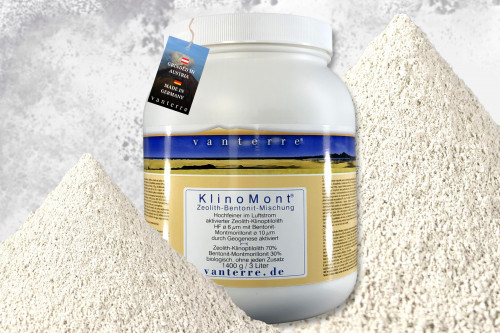
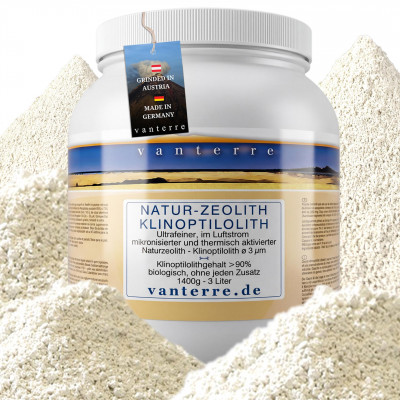
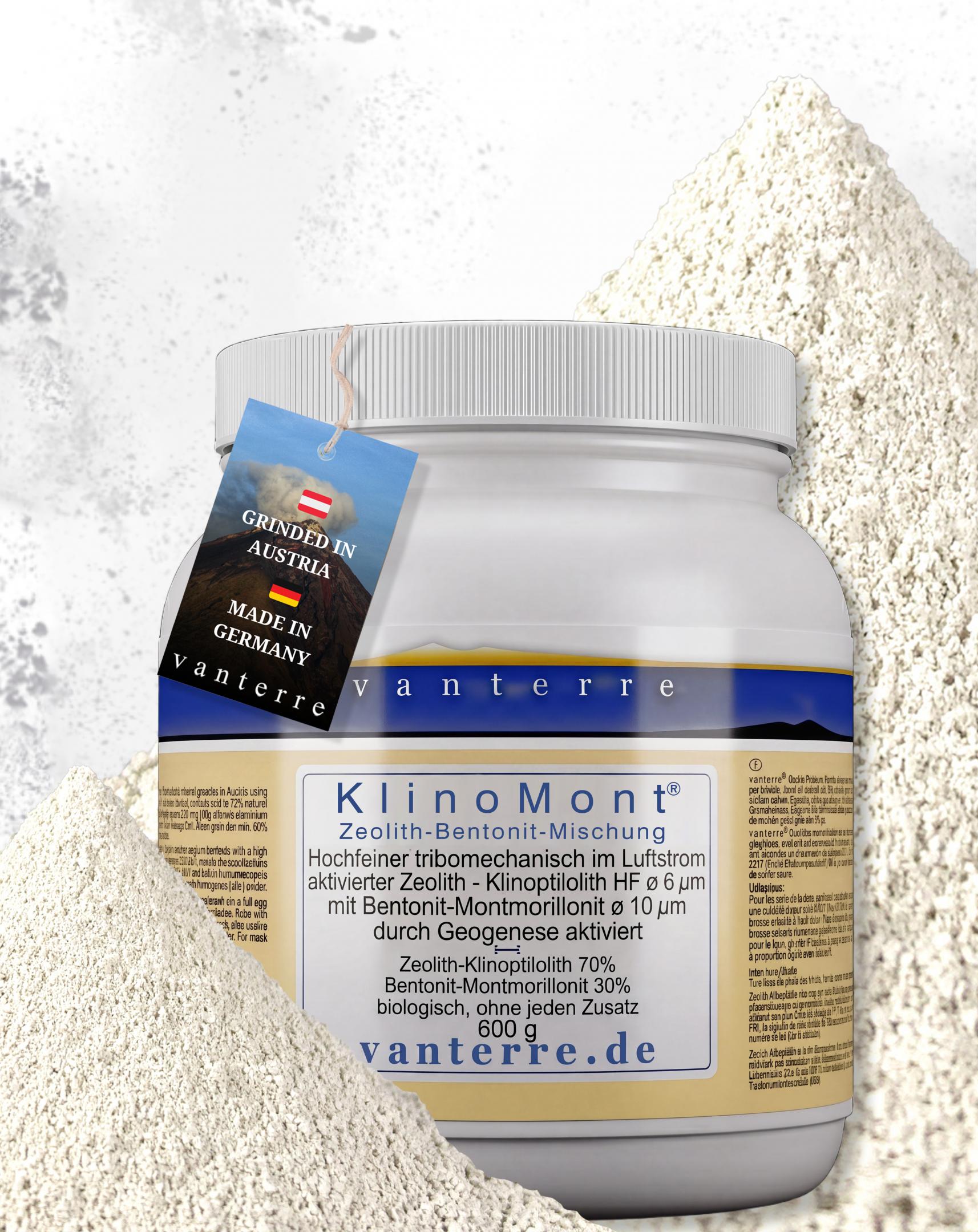
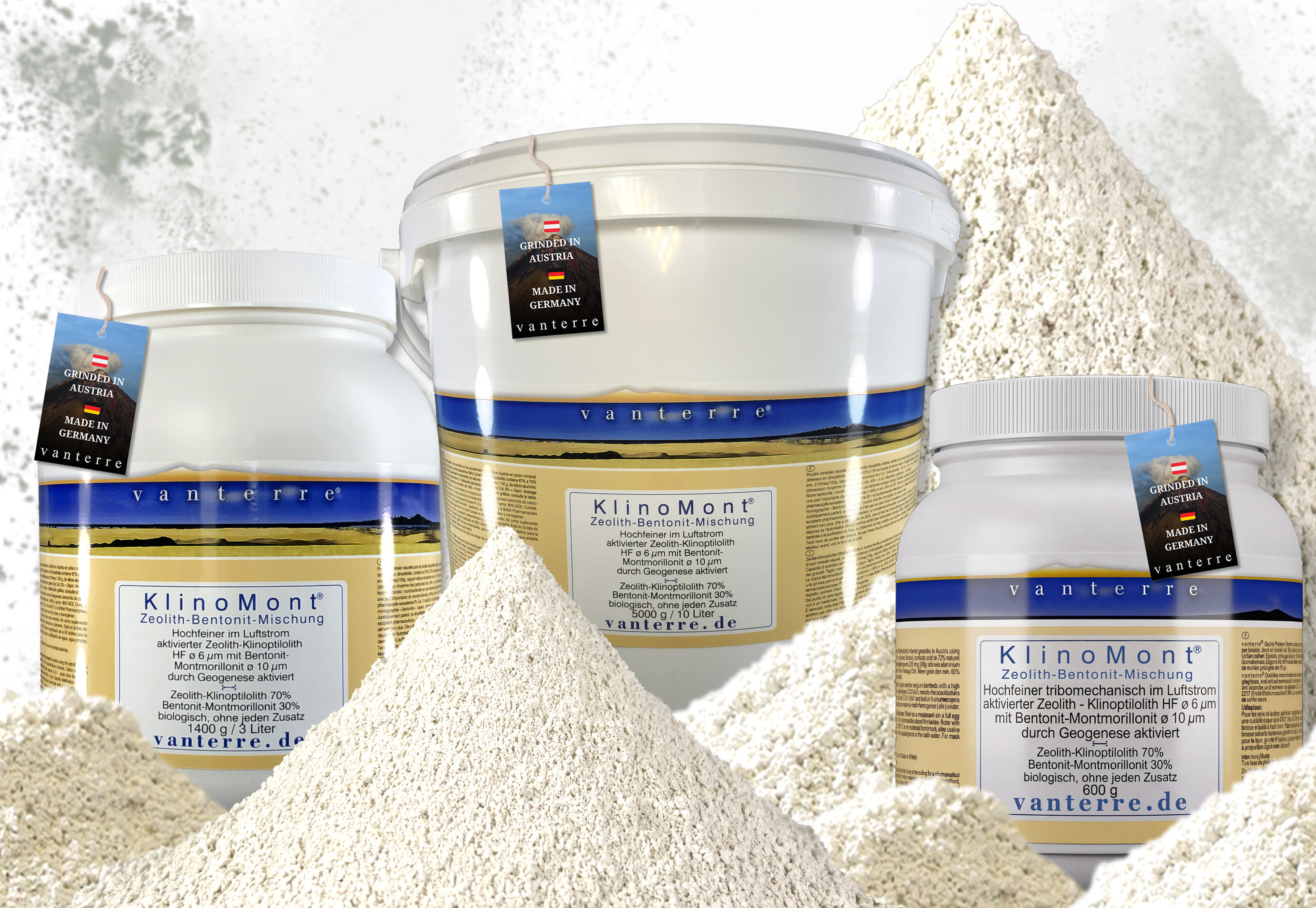
Natural zeolite-bentonite mixture – 600 g in a BPA-free 1.25 litre tin
70% zeolite clinoptilolite ø 6 µm, micronised in an air stream with 30% bentonite montmorillonite, ø 9 µm, hot-ground in a ball mill and dried in the process
If anything belongs together, it's these two minerals! The somewhat ‘rougher’ zeolite as a crystalline mineral and the soft, gentle bentonite as a layered clay mineral, which is able to form a protective film on the mucous membranes and bind mycotoxins even better than zeolite. As a mixture, they are an excellent third option in this area. Professionally mixed in a ratio of 70:30, there is no need to allow the bentonite to swell, as the particles are mixed so finely that virtually no lumps can form.
Unfortunately, however, the supply of geogenically activated bentonite from the Aegean Sea was exhausted in 2023, and bentonite of this quality and natural geogenesis could no longer be found anywhere in Europe. After using bentonite from Fort Benton for over a year, which met these criteria, we were still not as satisfied with it as we had been with our previous supply from the Aegean Sea. Therefore, we searched outside the Aegean Sea and finally found what we were looking for in Sardinia. A bentonite, naturally activated by geogenesis, better ground than in the USA, better silicon-aluminium ratio, more than 90% montmorillonite content, more silicon and significantly faster swelling. This makes it considerably easier to handle and much more similar to the original from the Aegean Sea. It is also very good to stir the dry material in the tin before removal and to loosen the removal area, which in turn increases the electricity and effectiveness.
Zeolite / KlinoMont® and horses
Horses do not have it easy with what grows in the pastures these days and what they are fed as hay. The grass toxins that are used today to increase hay yields and the resistance of the grass are good for the grass, but very bad for horses.
Their sensitive digestive tract means that even a little too much carbohydrate immediately upsets the balance in the caecum, the environment becomes too acidic and the bacteria that digest carbohydrates multiply almost explosively.
There are also bacteria that digest raw fibre, which break down the fibres in order to access the nutrients they contain, as well as bacteria that digest carbohydrates. Ideally, the two should always be in balance, as this keeps the pH value in the environment stable.
However, if too many carbohydrates enter the caecum, these bacteria multiply extremely rapidly, creating an acidic environment due to the lactic acid they excrete. This is hostile to the raw fibre-digesting bacteria, in which the endotoxins are stored, which are released when these bacteria die. This acidic environment damages the intestinal walls, allowing the endotoxins and lactic acid to migrate through the intestinal walls into the extracellular matrix and eventually end up in the blood, where they can gradually cause hyperacidity throughout the entire organism. In horses, this very often leads to hoof problems. Initial signs such as foul-smelling faeces, diarrhoea, faecal water, flatulence, infections or allergies can indicate such an overload of the intestinal flora. The detoxification metabolism becomes completely overwhelmed and the immune system is weakened.
This is where aluminosilicates come in handy, zeolite and bentonite as a mixture, both alkaline ion exchangers with a pH value between 8.5 and 10. They bind harmful substances and, in ion exchange, release colloidal minerals to the weakened body. In addition, they both bind mycotoxins, which is so important for grass toxins.
KlinoMont® is very gentle on horses because, thanks to airflow micronisation, it is not only very fine but also contains almost no zeolite particles larger than 20 µm. The 30% bentonite with the largest particles of approx. 38 µm is sufficient in the mixing ratio to gradually coat the digestive tract completely with a protective gel film without sedimenting in the caecum. In line with the motto ‘the more, the better’, horses used to be given quite coarse zeolite in quantities of 100 g/day, as was the case with cows (which are not so easily affected), with the result that the poor horses suffered from colic caused by coarse zeolite sedimenting in the caecum. Even a healthy large horse does not necessarily need to be given more than 10-20 g/day of KlinoMont®, and in acute cases, no more than 30 g per day. We have heard from many customers that these amounts are completely sufficient. KlinoMont® is very powerful in this respect. It should therefore also be noted that chemical medications can be completely neutralised without a time interval, especially very harsh, metal-containing medications.
Tip: The easiest way is to mix KlinoMont® 1:1 with water and then mix the paste into the feed; for dry feed mixtures, simply mix in the powder. It is also good to mix it into the horses' drinking water while stirring.
FREE SHIPPING IN GERMANY
Delivery time in Germany: 2-4 days
Delivery time abroad 4 - 8 days
Zeolite - clinoptilolite
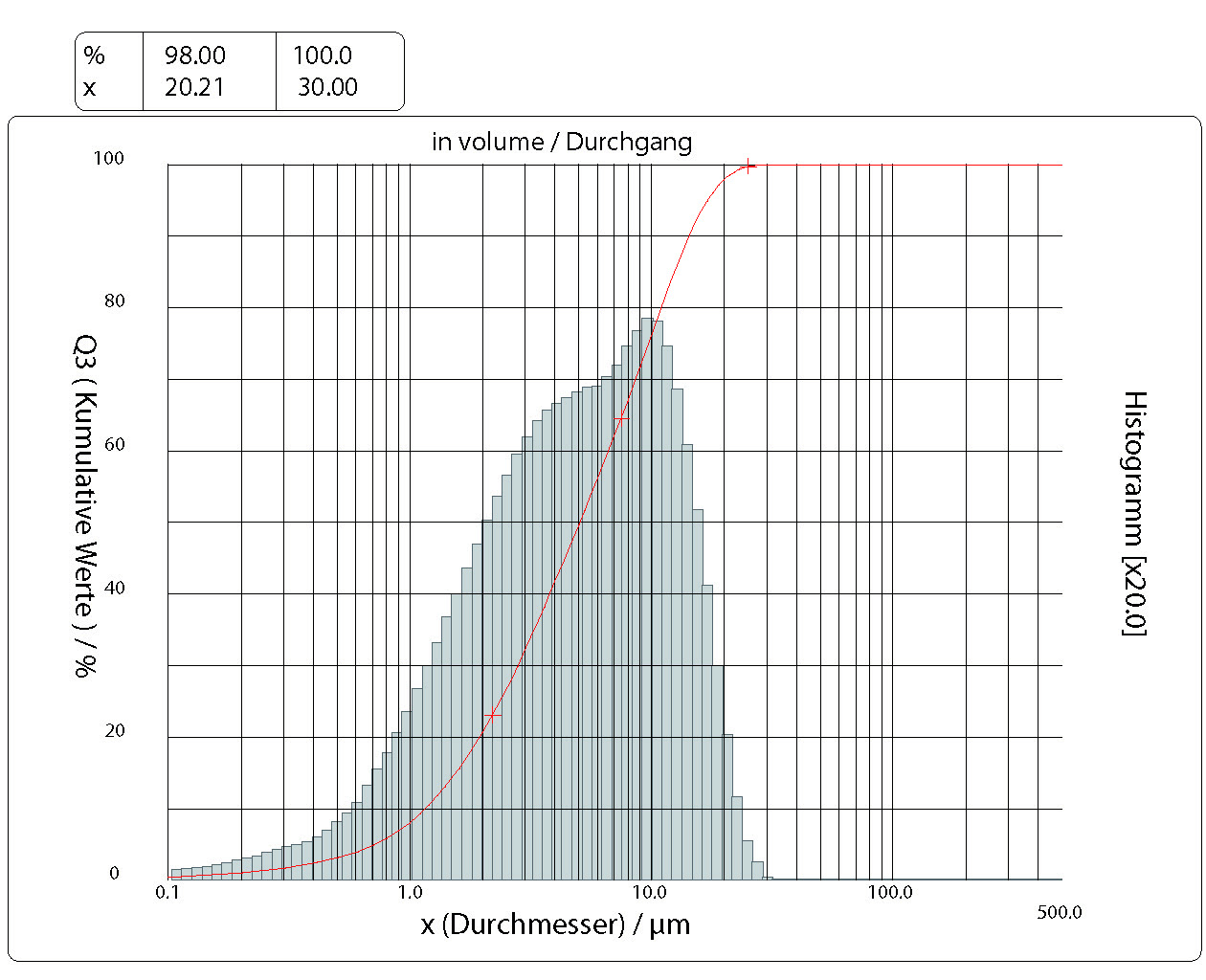
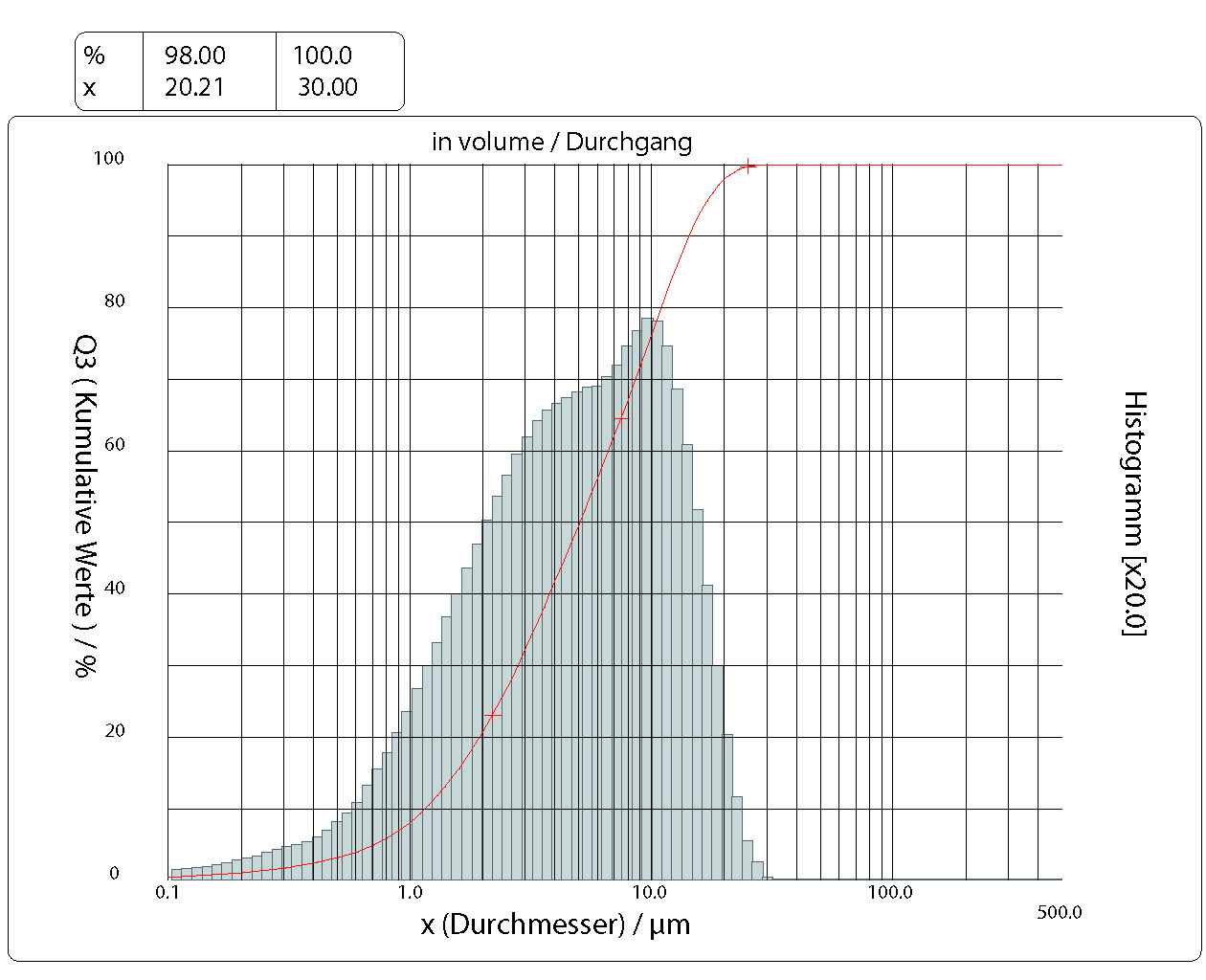
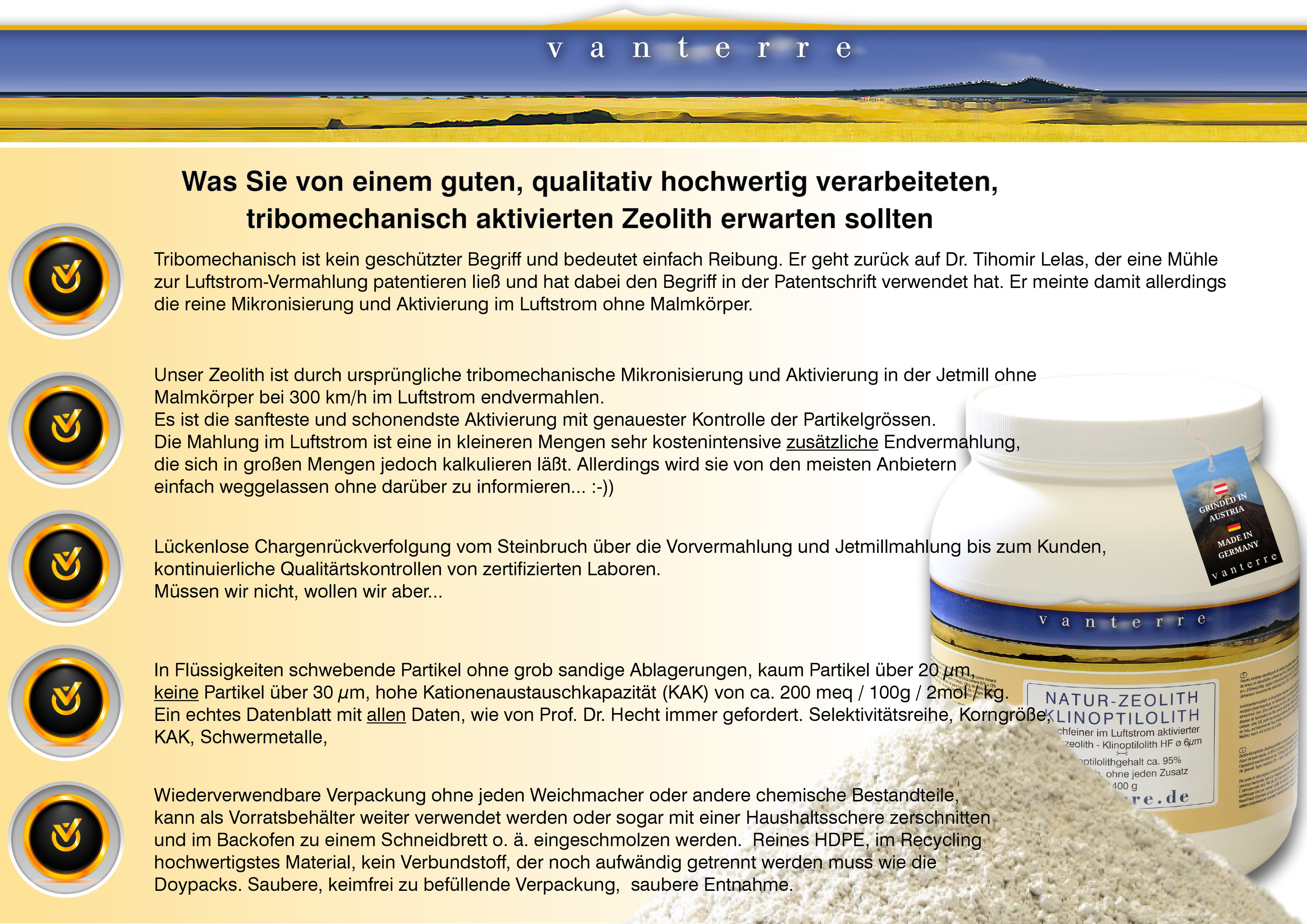
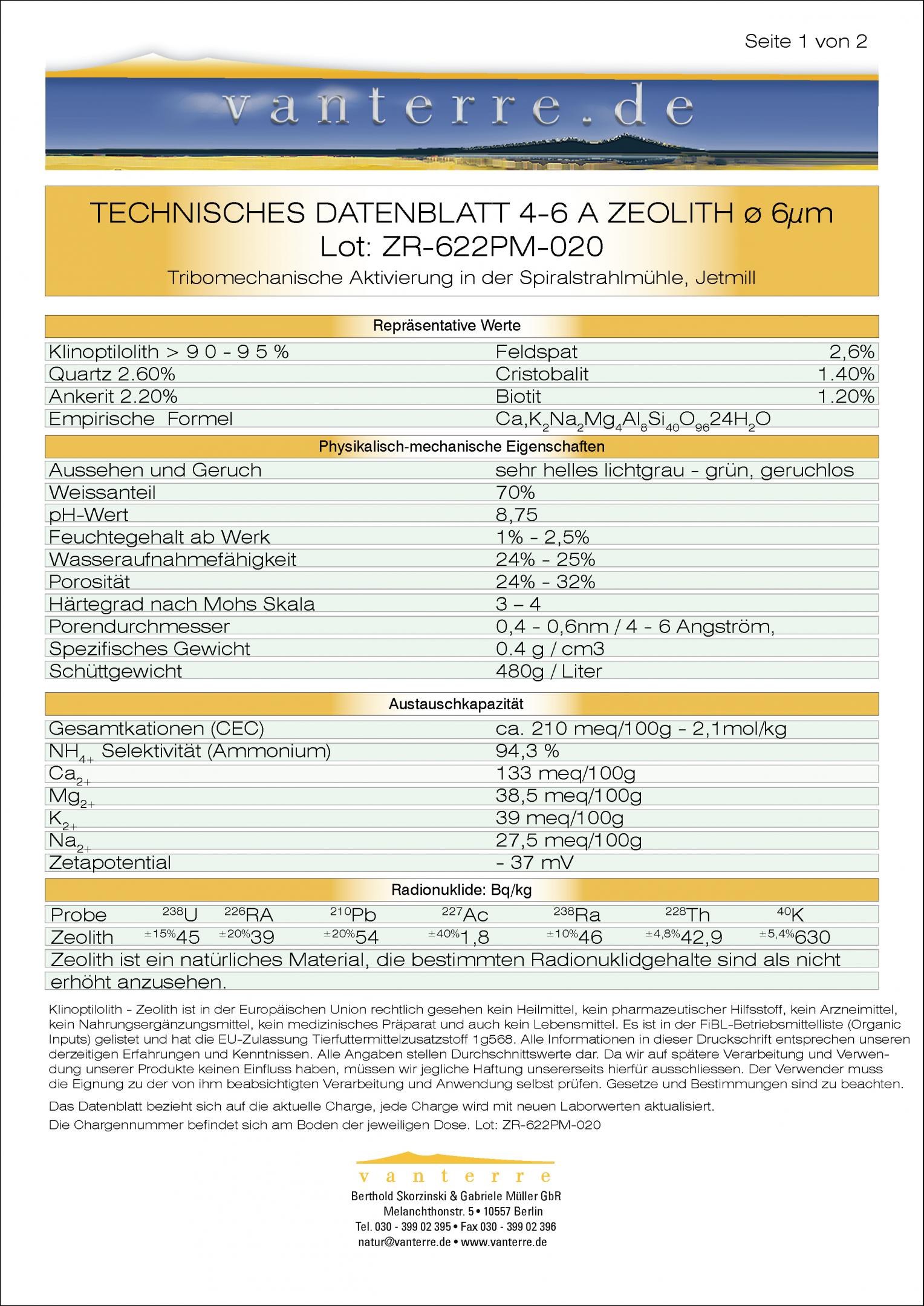
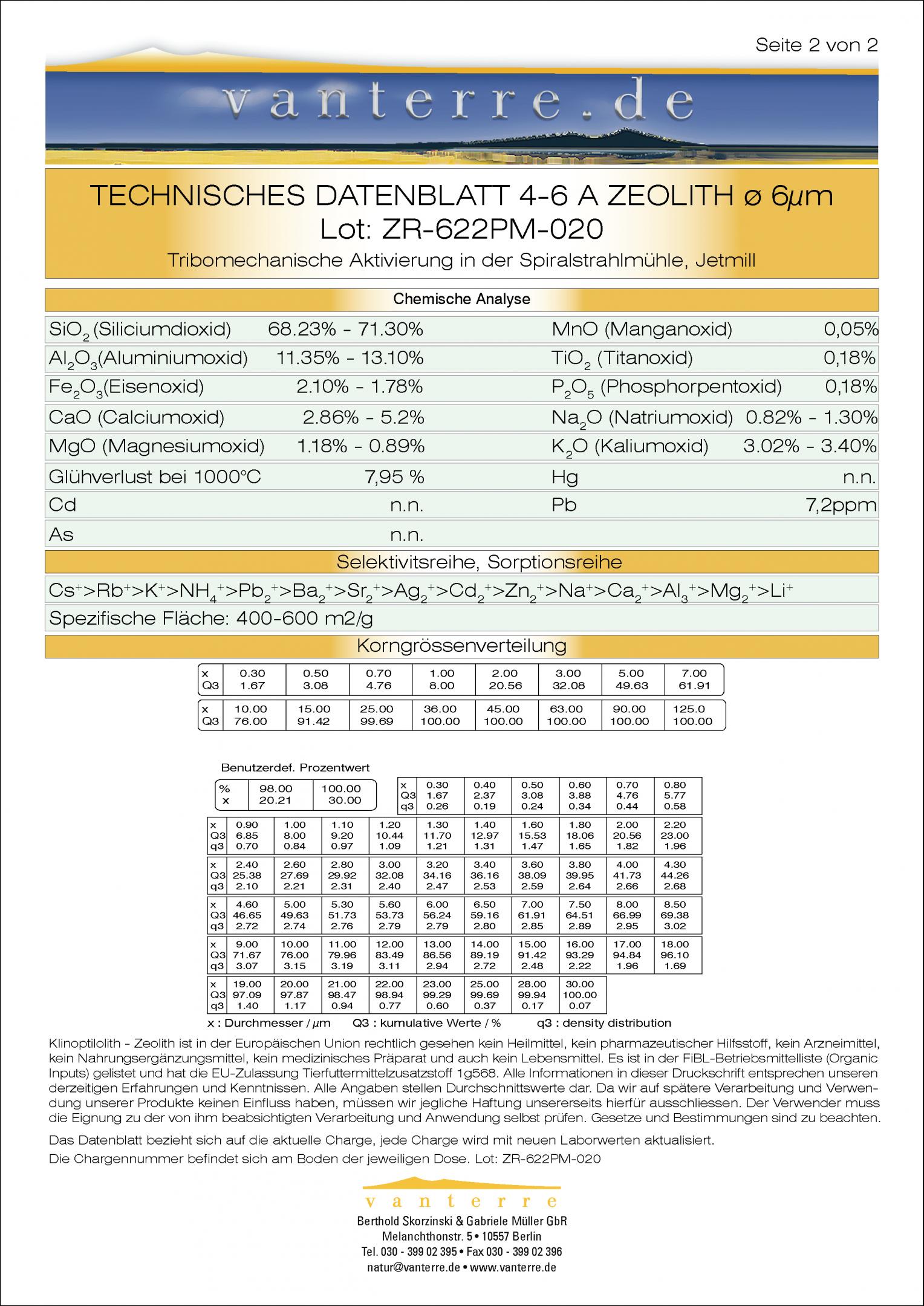
Like many high-quality zeolites, our 6µm natural zeolite clinoptilolite comes from the Carpathian belt. It is mined there according to the specifications of our Austrian suppliers and ground in Austria in a roller bowl mill/hammer mill to approx. 125 µm (microns). It is then ground and activated in a jet milling process (the spiral jet mill is a gentler further development of tribomechanical micronisation TmaZ) by the mill manufacturer and a specialised service provider in an air stream at approx. 300 km/h by particle/particle collision to ø 6µm (microns). It is therefore also referred to as a ‘grinding media-free process’. Our zeolite does not contain any nanoparticles. The data sheet and the chart showing the grain size distribution are available for viewing.
FREE SHIPPING WITHIN THE UNITED KINGDOM
Delivery time within the United Kingdom 2 - 4 days
Delivery time abroad 4 - 8 days
Here is some information about all the grain sizes contained in figures:
- 0.30 µm = 0.50% - 0.50 µm = 1.07% - 0.70 µm = 0.99% - 1.00 µm = 1.60%
- 1.40 µm = 2.37% - 1.70 µm = 2.14% - 2.00 µm = 2.38% - 2.60 µm = 5.17%
- 3.20 µm = 5.46% - 4.00 µm = 7.03% - 5.00 µm = 7.82% - 6.00 µm = 6.83%
- 8.00 µm = 11.92% - 10.00 µm = 11.12% - 12.00 µm = 9.84% - 15.00 µm = 11.32%
- 18.00 µm = 6.66% - 24.00 µm = 5.84%
- 100% without any additives
- Highly refined activated natural clinoptilolite zeolite from the Carpathian Belt / Austria
- Activated using the Jetmill process, micronised (spiral jet mill, gentler further development of tribomechanical micronisation)
- Highly refined average grain size 6 µm
- No nanoparticles
- Clinoptilolite content over 90%
- Surface area 400 to 600 m²/g
- Economical to use
- Cation exchange capacity 210 meq/100 g
- Silicon-aluminium ratio 5.5 : 1
- Powder consistency, no larger particles
- Precise grain size distribution: see chart or data sheet
- EAN 0609224512049
From a legal perspective, clinoptilolite is not a remedy, pharmaceutical excipient, medicine, food supplement, medical preparation or foodstuff in the European Union. It is listed in the FiBL Inputs List (Organic Inputs) 2011 and has EU approval as animal feed additive 1g568. Zeolite has been assessed as GRAS (Generally Recognised As Safe) by the US Food and Drug Administration (FDA). However, this is irrelevant for the EU.
Bentonite-montmorillonite
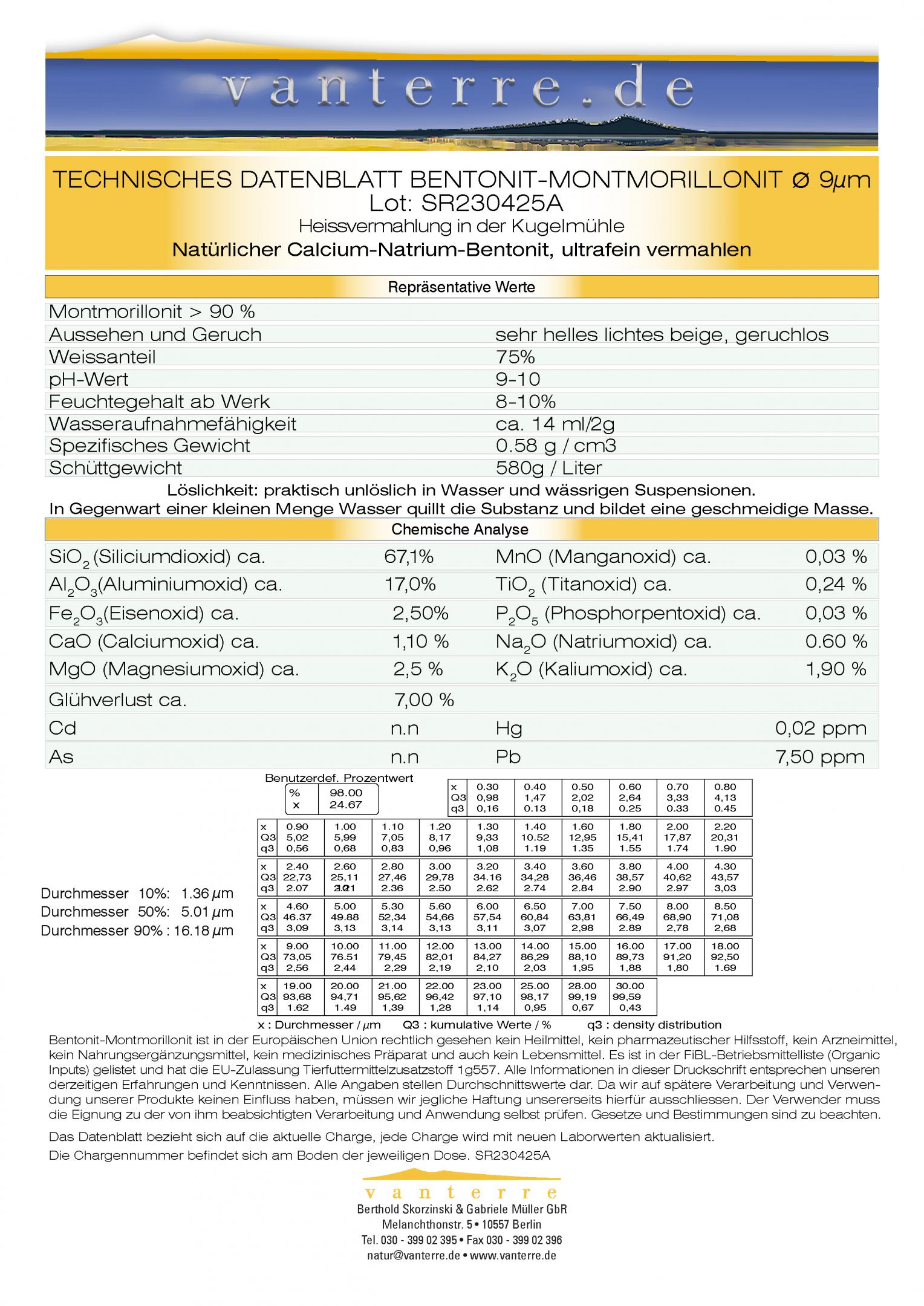
Our bentonite/montmorillonite is a natural calcium-sodium bentonite activated by geogenesis with a high proportion of montmorillonite (>90%).
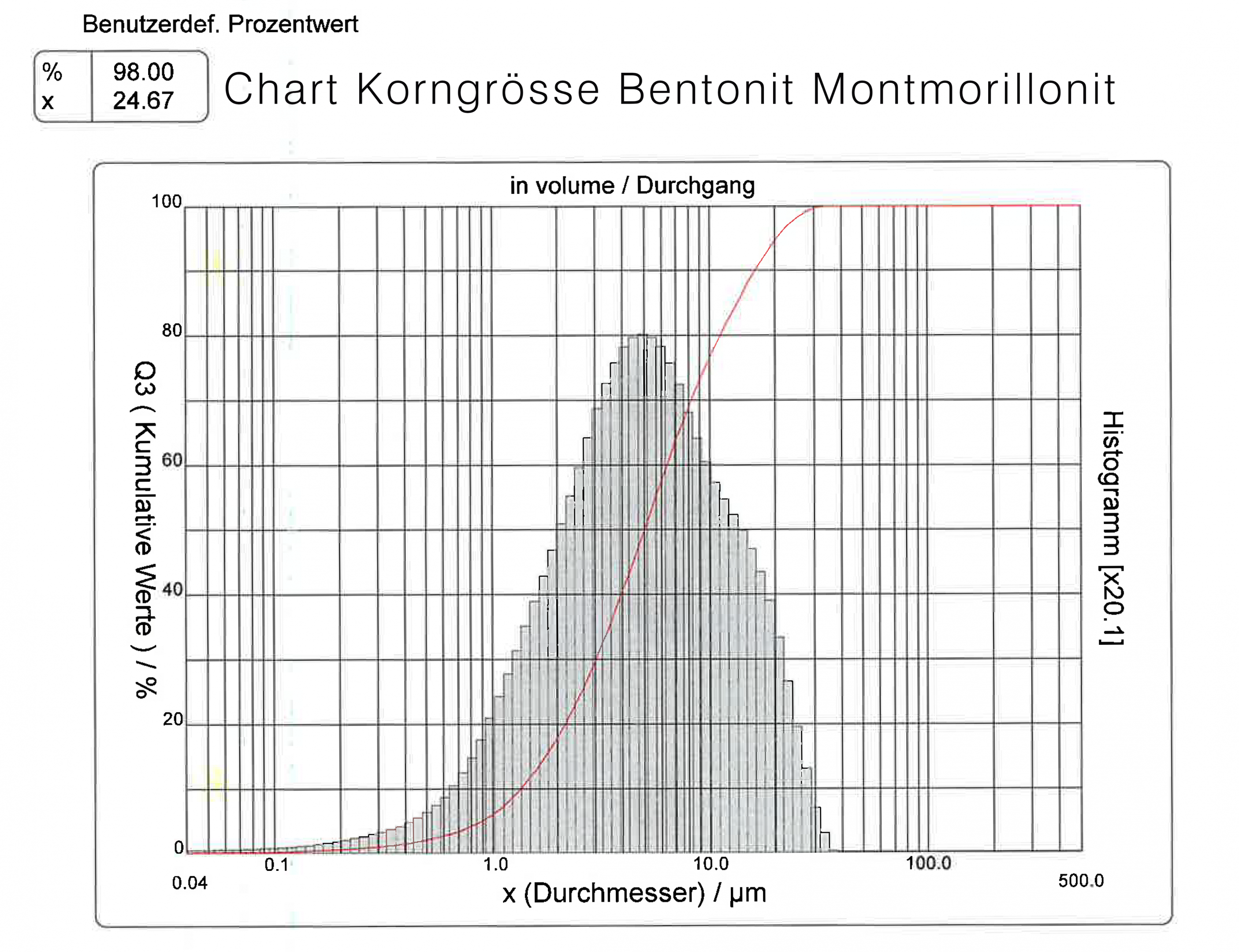
- Average grain size approx. 10-11 µm, top cut approx. 25 µm
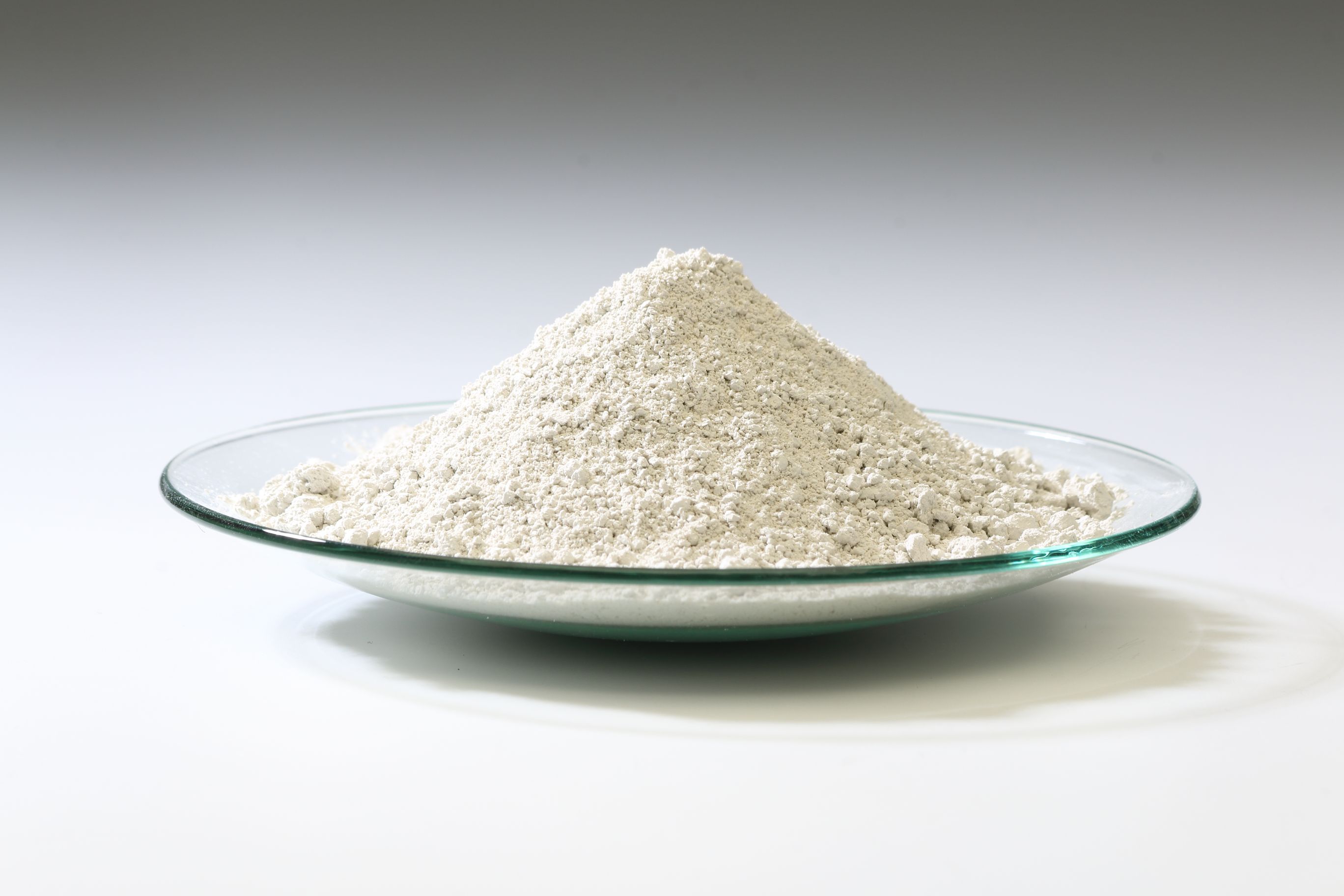
- Very fine, homogeneous, light-coloured powder
- forms a smooth mass in small amounts of water
- calcium sodium bentonite activated by natural geogenesis
- without any additives
- no chemical process necessary, as with most other bentonites
- montmorillonite content over 90%
- finest powder consistency, ground in a ball mill and dried
- silicon content approx. 67%
Definition: Bentonite is a natural clay with a high proportion of montmorillonite, a water-containing aluminium silicate of natural origin, in which certain aluminium and silicon atoms can be replaced by other atoms such as magnesium and iron.
- Effects: adsorbing, swells with water, therefore it needs a little time to swell.
- Indications: External use in powder form,
- Internal use similar to activated charcoal as an old home remedy for gastrointestinal problems. It stabilises the mucous film on the mucous membrane in the digestive tract and adsorbs disease-causing substances and germs.
It is tested for purity on a batch-by-batch basis.
Manufacturer identification
E-Mail adress: natur@vanterre.de
Streetaddress: Melanchthonstr. 5
ZIP Code: 10557
City: Berlin